




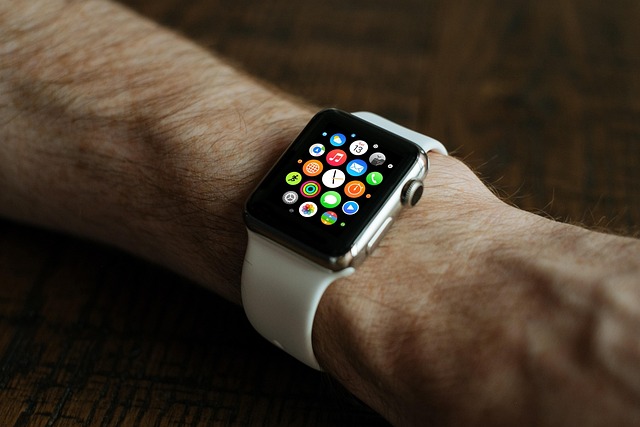
Wearable technology has changed the way people interact with their health. What once began as a simple way to count steps has evolved into a much broader system for tracking sleep, activity, stress, recovery, heart rate, and other signals that shape day-to-day wellbeing. These devices are no longer used only by athletes or highly structured fitness enthusiasts. They are now part of everyday health routines for people trying to better understand their bodies, improve their habits, and make more informed decisions about food, exercise, and weight management.
This shift matters because many wellness goals fail not from lack of effort, but from lack of feedback. People may believe they are sleeping enough, moving enough, or eating in a balanced way, but without some form of measurement, it is easy to misread what is actually happening. Wearables provide a form of visibility that helps close that gap. They do not solve health challenges on their own, but they can make patterns easier to recognize and habits easier to adjust.
As a result, wearable technology now sits at an important intersection of nutrition, weight loss, and holistic wellness. It gives users a clearer picture of how their behavior affects energy, consistency, and progress over time.
Why Wearables Have Become Part of Mainstream Wellness
A major reason wearables have gained traction is that they fit naturally into modern life. They are not limited to one activity or one type of user. A person does not need to be training for a marathon to benefit from seeing how much they move in a day, how often they wake during the night, or whether their routine supports recovery.
These devices appeal to people who want structure without feeling locked into a rigid health program. Instead of following broad advice in the abstract, users can connect their choices to visible trends. A stressful week may show up in poor sleep and lower activity. A more consistent meal routine may line up with better energy and steadier workouts. This kind of reinforcement makes health feel more personal.
Wearables also support a gradual approach. Many people struggle with all-or-nothing thinking in nutrition and fitness. They start aggressively, burn out quickly, and then lose momentum. A wearable can encourage smaller changes by turning progress into something more immediate and measurable. Even modest improvements begin to feel real when they show up in daily metrics.
That is part of why wearables have become more than gadgets. They now function as behavioral tools. They encourage attention, reinforce routines, and make it easier for users to identify what is helping and what is getting in the way.
The Shift From Reactive to Proactive Health
For a long time, people tended to respond to health issues only after they became difficult to ignore. Weight gain prompted a diet. Exhaustion led to concern. Poor sleep became a problem only when it started affecting mood, appetite, or work performance. In many cases, the reaction came after the pattern had already been building for months.
Wearables support a more proactive mindset. By showing daily trends rather than isolated snapshots, they help users notice smaller changes earlier. A decline in sleep quality, a steady drop in activity, or a prolonged period of poor recovery can become visible before it turns into a larger setback.
This kind of awareness is valuable because most health outcomes are shaped by repeated behaviors, not single events. It is usually not one heavy meal, one missed workout, or one bad night of sleep that creates a problem. It is the accumulation of those patterns over time. Wearables make that accumulation easier to spot.
They also reduce the tendency to rely purely on emotion when evaluating progress. Someone may feel like they are doing poorly because their weight has not changed for a week, but their device may show improved sleep, increased daily movement, and more regular exercise. That broader view helps prevent discouragement and supports better decision-making.
When health becomes something people can monitor in motion, they are more likely to make course corrections early rather than waiting until they feel stuck.
How Wearables Influence Weight Management
Weight management is often discussed too narrowly. Many conversations still focus on calorie counting in isolation, as though body weight changes exist independently from sleep, stress, appetite regulation, movement patterns, and food quality. In reality, weight management is shaped by many overlapping variables, and wearables help bring those variables into focus.
One of the clearest benefits is improved awareness around activity. Many people assume they are fairly active because they exercise a few times per week, but total daily movement may still be low. A workout does matter, but so does what happens during the remaining hours of the day. A wearable can reveal whether someone is walking consistently, sitting for long periods, or becoming less active during stressful stretches.
It also helps users connect behavior to routine. They may notice that days with stronger structure lead to better choices overall. On days when movement is low and sleep is poor, hunger often feels harder to manage. On days when activity is consistent and recovery is better, discipline tends to feel less forced.
This matters because sustainable weight loss is usually less about intensity and more about repeatability. Extreme plans often create a short burst of effort, but they are difficult to maintain. Wearables support a more realistic path by helping people recognize what they can actually repeat across weeks and months.
They also reduce overreliance on the scale. Body weight fluctuates for many reasons, and those fluctuations can be discouraging when viewed without context. Wearable data adds more dimensions to the picture, making it easier to appreciate progress even when scale changes are slower than expected.
The Role of Sleep in Weight and Metabolic Health
Sleep is one of the most undervalued factors in weight management. People often focus on meals and workouts while overlooking the way rest shapes cravings, energy, and consistency. When sleep quality drops, decision-making tends to suffer. Hunger can feel stronger, motivation can fall, and workouts can become harder to complete.
Wearables have helped bring more attention to this relationship by making sleep patterns visible. Users can see not only how long they were in bed, but whether they had disrupted sleep, inconsistent bedtimes, or a pattern of waking feeling unrested.
This matters because poor sleep often creates a chain reaction. A person who sleeps badly may skip exercise, reach for convenient food, or overeat later in the day because they feel depleted. Over time, that pattern can interfere with weight management even when intentions are good.
By tracking sleep consistently, wearables encourage users to treat rest as a core part of health rather than an afterthought. They may begin to notice that late meals, alcohol, stress, or excessive screen time affect recovery more than expected. That awareness supports practical adjustments, such as setting a more regular bedtime or creating a calmer nighttime routine.
When sleep improves, many people find that their eating habits become easier to manage. They do not necessarily become perfect, but they often become more stable. That stability is valuable, especially for long-term weight goals.
Stress, Recovery, and Hidden Barriers to Progress
Stress is another major factor that often complicates weight management and wellness. A person may believe they are failing because of poor discipline when the real issue is that chronic stress is affecting sleep, appetite, recovery, and daily structure all at once.
Some wearable devices help users monitor recovery or stress-related patterns through metrics tied to heart rate, resting heart rate, or heart rate variability. These measurements are not perfect, but they can still create useful awareness. They may show that the body is under more strain than the user realizes.
That insight can be important. When people feel stressed, they often respond by trying to push harder. They add more workouts, cut calories more aggressively, or become more restrictive with food. In some cases, that only makes the situation harder to sustain.
A more effective response may be to support recovery first. That could mean lighter training for a few days, more intentional rest, or better meal timing. It could also mean recognizing that emotional exhaustion is affecting food choices more than hunger itself.
Wearables do not eliminate stress, but they can help externalize it. Instead of feeling vaguely off, users can see that recovery is trending downward or that their body is not responding well to current demands. That shift from vague frustration to clearer awareness often leads to smarter choices.
Behind the Technology: How Wearables Are Developed
As wearable devices become more integrated into health routines, it is worth understanding that these products do not emerge fully formed. Their usefulness depends heavily on how well they are designed, tested, and refined before they reach users.
A wearable is expected to do several things at once. It must collect biological signals with reasonable accuracy, present information clearly, remain comfortable throughout the day, and function consistently across different environments and body types. That is a demanding set of expectations for something small enough to sit on a wrist or clip discreetly onto the body.
The process of medical device product development helps make that possible. It involves structured work across design, engineering, validation, usability, and safety planning. Teams have to think about more than whether a sensor works in ideal conditions. They also have to think about how real people will use the device, how data will be interpreted, and how errors or inconsistencies can be minimized.
This development process becomes especially important when users begin making lifestyle decisions based on what their devices show them. If a wearable is meant to support health awareness, then trust matters. A device that is difficult to use, uncomfortable to wear, or inconsistent in its feedback is unlikely to be helpful in the long run.
That is why strong development matters not just for innovation, but for credibility. The more wearables shape how people think about exercise, recovery, and wellness, the more important it becomes that those tools are built with care.
Nutrition Tracking Is Becoming More Personalized
Nutrition advice often feels generalized. One approach emphasizes lowering carbohydrates. Another promotes higher fat intake. Others focus on meal timing or strict elimination strategies. The challenge is that no single framework works identically for everyone.
Wearables introduce a more individualized layer of feedback. When users log meals alongside sleep quality, activity levels, and recovery trends, they begin noticing how different foods affect them personally.
For example, someone may observe steadier energy on days when meals contain balanced protein and healthy fat sources. Another may notice that heavily processed foods lead to energy dips or disrupted sleep. Over time, these patterns become clearer.
This is especially helpful in conversations around dietary fat. Rather than eliminating fat entirely or embracing it without distinction, it becomes more useful to understand the different types of fats and their effects on health and how they fit into an overall eating pattern.
Balanced fat intake often supports satiety and meal satisfaction, which can reduce the urge to overeat later in the day. At the same time, food quality still matters. Repeated reliance on highly processed fat sources may not align with long-term wellness goals.
When wearable feedback is paired with a clearer understanding of food quality, nutrition becomes less about rigid rules and more about refinement. Users shift from reacting emotionally to food choices toward observing how those choices support energy, consistency, and recovery.
Why Food Quality Matters More Than Simple Tracking
One of the limitations of basic tracking is that it can encourage people to look at numbers without looking at substance. A calorie target may be met, but the quality of those calories still affects energy, satiety, digestion, and performance.
Wearables can help expose this difference indirectly. Two meals may fit the same calorie range, yet one may leave a person feeling focused and satisfied while the other leads to fatigue and cravings. Over time, those patterns become hard to ignore.
This is where food quality becomes essential. Whole foods, balanced meals, and consistent eating habits often produce a more stable experience than highly processed foods, even when totals appear similar on paper. Users may begin to notice this in how they sleep, move, and recover.
That kind of awareness often leads to better habits without forcing perfection. People may gradually shift toward meals that support them better because the benefits become visible in how they feel and function. That is a much stronger foundation than following nutrition rules that never feel connected to real outcomes.
Moving Beyond the Scale as the Only Measure of Success
One of the most useful things wearables can do is reduce the emotional power of the scale. Many people judge their health progress almost entirely by body weight, even though weight alone says very little about sleep quality, cardiovascular fitness, stress load, recovery, or consistency.
This creates unnecessary frustration. A person may be improving in meaningful ways while feeling discouraged because the scale has not moved quickly enough. They may be training more consistently, sleeping better, or building a healthier routine, but if those changes are not reflected in a single number right away, they may feel like nothing is working.
Wearables broaden the picture. Users can see trends in movement, recovery, resting heart rate, sleep regularity, and workout frequency. These markers often improve before body composition changes become obvious. That broader perspective supports patience.
It also helps people define success in a healthier way. Progress becomes less about chasing constant validation and more about building a life that supports health naturally. That mindset tends to be more sustainable than obsessing over short-term fluctuations.
Wearables Work Best as Tools, Not Authority Figures
For all their benefits, wearables are still tools. They are useful because they provide feedback, not because they should dictate every decision. The healthiest relationship with technology leaves room for judgment, flexibility, and self-awareness.
Some users become overly dependent on the data. They may feel anxious if they cannot track a workout or disappointed if a score does not validate how they feel. That can turn a helpful device into a source of pressure.
A better approach is to use wearables as support. The data can guide attention, raise useful questions, and reinforce patterns, but it should not replace personal awareness or common sense. If a user feels exhausted, they do not need permission from a device to rest. If they feel strong and recovered, they can use that insight alongside the data rather than against it.
This balanced mindset is especially important in wellness spaces where the goal is long-term health, not constant self-optimization. Technology should support wellbeing, not dominate it.
A More Connected Future for Health and Wellness
Wearable technology is continuing to evolve, and its role in wellness will likely expand. As devices become more refined, they may offer even better insights into recovery, metabolic patterns, and behavioral trends. But the real value will still come from how people use that information.
At its best, wearable technology helps users connect the dots between food, movement, sleep, stress, and daily choices. It brings structure to health without requiring extremes. It makes patterns easier to see and habits easier to adjust.
That is why wearables have become so relevant to nutrition and weight management. They do not replace healthy eating, consistent movement, or mindful routines. What they do is help translate those behaviors into something visible. In a space full of conflicting advice, that kind of clarity is powerful.
When people can see what is helping them and what is holding them back, they are more likely to build habits that last. And in the end, lasting habits matter much more than short bursts of motivation.