




What is BiPAP?
BiPAP, or Bilevel Positive Airway Pressure, is a non-invasive respiratory support device designed to assist patients with breathing difficulties. It is particularly beneficial for those suffering from conditions such as sleep apnea, chronic obstructive pulmonary disease (COPD), and other respiratory disorders where breathing may be compromised. Unlike traditional CPAP (Continuous Positive Airway Pressure), BiPAP offers two different pressure settings: one for inhalation (IPAP) and one for exhalation (EPAP). This distinction allows for a more comfortable breathing experience, especially for patients who may struggle to exhale against a constant airflow.
The technology behind BiPAP machines relies on advanced algorithms that automatically adjust the pressure based on the patient’s breathing patterns. By providing variable pressure, BiPAP devices facilitate improved airflow, enabling users to breathe more easily and effectively. The device essentially works by maintaining open airways, preventing obstructions and enhancing oxygen delivery during both inhalation and exhalation.
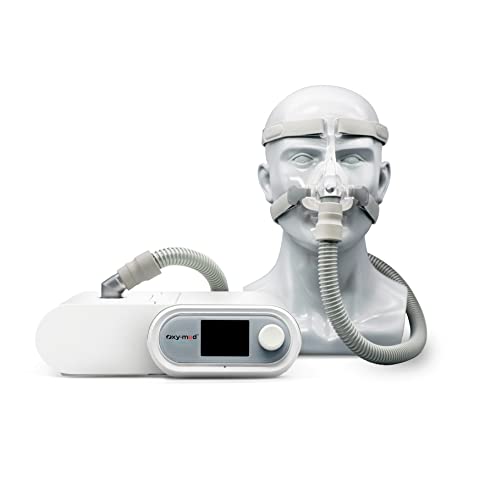
Key components of a BiPAP system include a mask, which can be nasal, full-face, or nasal pillows, and a ventilator that generates the required pressure levels. The comfort of the mask is paramount, as it allows for prolonged use during sleep or throughout the day. The incorporation of humidifiers and heated tubing is also common in modern BiPAP devices, helping to reduce dryness and improve patient comfort.
In summary, BiPAP serves as an essential tool in respiratory care, providing adjustable pressure support tailored to meet individual patient needs. By delivering targeted airflow, it effectively aids in the management of various respiratory conditions, making it an invaluable resource for those requiring breathing assistance.
How Does BiPAP Work?
BiPAP, or Bilevel Positive Airway Pressure, is a non-invasive ventilatory support system designed to assist individuals with breathing difficulties, particularly those suffering from conditions like sleep apnea or chronic obstructive pulmonary disease (COPD). The primary function of a BiPAP machine is to deliver two distinct levels of positive airway pressure: one for inhalation (IPAP) and another for exhalation (EPAP). This dual-pressure approach facilitates a more natural breathing pattern, helping the patient inhale more easily while also preventing airway collapse during exhalation.
The mechanism of BiPAP operation hinges on its ability to monitor the user’s breathing. When the device senses the onset of inhalation, it automatically increases the airway pressure to assist in the breathing process. Conversely, when the user exhales, the pressure decreases to make it easier for the individual to breathe out. This interplay between the two pressure levels helps enhance comfort and ensures an uninterrupted flow of air, catering to the user’s specific needs.
Moreover, the settings on a BiPAP machine can be customized based on individual patient requirements. Healthcare providers typically assess factors such as the patient’s weight, the severity of their condition, and comfort levels to determine the appropriate IPAP and EPAP settings. Adjustments are made to ensure effective ventilation and adequate oxygenation while minimizing discomfort. Regular follow-up with a healthcare professional is essential to evaluate the efficacy of the BiPAP therapy and to fine-tune the settings if necessary. This responsiveness to individual needs is crucial for optimizing treatment outcomes and ensuring patient compliance.
Medical Conditions Suitable for BiPAP Therapy
BiPAP, or Bilevel Positive Airway Pressure therapy, serves as an effective treatment for various medical conditions, particularly those affecting respiratory function. Its ability to provide dual-level airway pressure makes it an invaluable option for patients with specific diagnoses, including sleep apnea, chronic obstructive pulmonary disease (COPD), and several other respiratory disorders.
One of the most prevalent conditions treated with BiPAP is obstructive sleep apnea (OSA). OSA is characterized by repeated episodes of partial or complete obstruction of the upper airway during sleep, leading to disrupted sleep patterns and significant daytime fatigue. BiPAP therapy assists in maintaining open airways by delivering a preset inspiratory pressure during inhalation and a lower expiratory pressure during exhalation. This mechanism not only ensures uninterrupted breathing during sleep but also enhances oxygenation, improving overall health outcomes for these patients.
Chronic obstructive pulmonary disease (COPD) is another major indication for BiPAP therapy. Patients suffering from COPD often endure chronic airflow limitation, which can lead to acute respiratory failure in severe instances. The non-invasive ventilation provided by BiPAP can help manage symptoms by reducing the work of breathing and optimizing gas exchange, allowing patients to breathe more comfortably and efficiently. This is particularly beneficial during exacerbations, where supplemental oxygen and additional respiratory support are crucial.
In addition to OSA and COPD, BiPAP may be indicated for patients with neuromuscular disorders, such as amyotrophic lateral sclerosis (ALS) or muscular dystrophy, which may compromise respiratory function. It serves as a crucial tool in these settings, providing the necessary respiratory support while optimizing patient comfort.
The proper identification of these medical conditions highlights the importance of BiPAP therapy, offering patients a means to effectively manage their respiratory challenges and enhancing their quality of life.
Who is Recommended to Use BiPAP?
BiPAP, or Bilevel Positive Airway Pressure, is a medical device designed to assist individuals experiencing difficulty with breathing, particularly during sleep. This type of ventilatory support is recommended for a wide range of patient demographics, primarily those suffering from specific respiratory conditions. One of the most common groups that benefit from BiPAP therapy are individuals diagnosed with obstructive sleep apnea (OSA). OSA causes repeated interruptions in breathing during sleep due to the relaxation of throat muscles, which can be effectively managed through BiPAP. The device provides pressurized air to help maintain open airways.
Additionally, patients with chronic obstructive pulmonary disease (COPD), particularly those experiencing acute exacerbations, may also find relief with BiPAP use. The positive pressure aids in enhancing oxygenation and reducing the work of breathing, thereby improving overall respiratory function. Health professionals suggest that patients over the age of 60 are often at higher risk for respiratory complications and may require BiPAP therapy more frequently.
Moreover, BiPAP is beneficial for individuals with neuromuscular diseases such as amyotrophic lateral sclerosis (ALS) and muscular dystrophy, which compromise the muscle control required for effective breathing. These patients often have progressive weakness that impacts their ability to breathe independently, making BiPAP a crucial intervention.
Patients with heart failure or conditions like obesity hypoventilation syndrome may also be recommended for BiPAP, especially when conventional treatment methods fail to deliver adequate results. It is essential for individuals considering BiPAP therapy to consult healthcare professionals for a thorough evaluation of their respiratory health and personalized recommendations.
Benefits of Using a BiPAP Machine
The BiPAP (Bilevel Positive Airway Pressure) machine has garnered attention for its effectiveness in improving respiratory function and overall health, particularly among individuals with sleep apnea and other breathing disorders. One of the primary benefits of using a BiPAP machine is the significant improvement in sleep quality. Patients often report experiencing deeper and more restful sleep due to the consistent airflow provided by the device, which helps to keep the airways open throughout the night.
Another noteworthy advantage is the enhanced breathing support that BiPAP provides. This machine delivers two levels of pressure: a higher pressure during inhalation and a lower pressure during exhalation, allowing for easier breathing while simultaneously reducing the work of the respiratory muscles. This feature is particularly beneficial for patients with chronic obstructive pulmonary disease (COPD) or other respiratory illnesses, where difficulty in breathing is a common symptom.
Moreover, BiPAP machines contribute to a reduction in the risk of respiratory failure. By ensuring adequate oxygen delivery and reducing carbon dioxide retention, these machines can help stabilize patients with critical respiratory conditions. In many cases, healthcare providers have observed a marked decrease in hospital admissions for patients who adhere to BiPAP therapy.
Personal testimonials lend further illustration to these benefits. For instance, a long-term sleep apnea patient shared, “After starting BiPAP therapy, I felt more energized and awake, something I hadn’t experienced in years. My episodes of waking up gasping have significantly reduced.” This sentiment is echoed by many who have utilized BiPAP machines, underscoring its importance in improving not just sleep quality but overall health and well-being.
Potential Drawbacks and Considerations
While BiPAP therapy offers significant benefits for individuals suffering from conditions such as sleep apnea, it is crucial to acknowledge that there are potential drawbacks and considerations to weigh before commencing treatment. One notable concern is discomfort. Many users report finding the mask uncomfortable, particularly when first starting therapy. The sensation of wearing a mask can be foreign, and even minor irritation can lead to difficulties in adhering to treatment over time. It is often recommended to try different mask styles to find one that fits comfortably and securely.
Maintenance requirements also present a consideration for new users. BiPAP devices require regular cleaning and inspection to ensure functionality and hygiene. The masks, tubing, and water chamber must be cleaned on a routine basis to prevent infections and ensure proper operation. This aspect of care can be time-consuming, and failure to maintain the equipment properly may lead to complications.
Furthermore, users may experience side effects such as nasal congestion, dryness, or sinus discomfort due to the pressurized air. Users are encouraged to consult with their healthcare provider to address these issues, as there are various strategies and accessories such as humidifiers that can mitigate these effects.
Finally, there are scenarios where BiPAP may not be the optimal choice. For instance, in cases of severe respiratory distress or certain cardiac conditions, continuous positive airway pressure (CPAP) might be more beneficial. It is essential for patients to have a thorough evaluation and discussion with their healthcare professionals regarding whether BiPAP aligns with their medical conditions and treatment goals.
How to Obtain a BiPAP Machine
Acquiring a BiPAP (Bilevel Positive Airway Pressure) machine is a crucial step for individuals diagnosed with respiratory problems, such as sleep apnea or chronic obstructive pulmonary disease (COPD). The process typically begins with a visit to a healthcare provider who can assess the patient’s condition and determine the appropriate treatment plan. A prescription is usually required, as BiPAP machines are classified as medical devices.
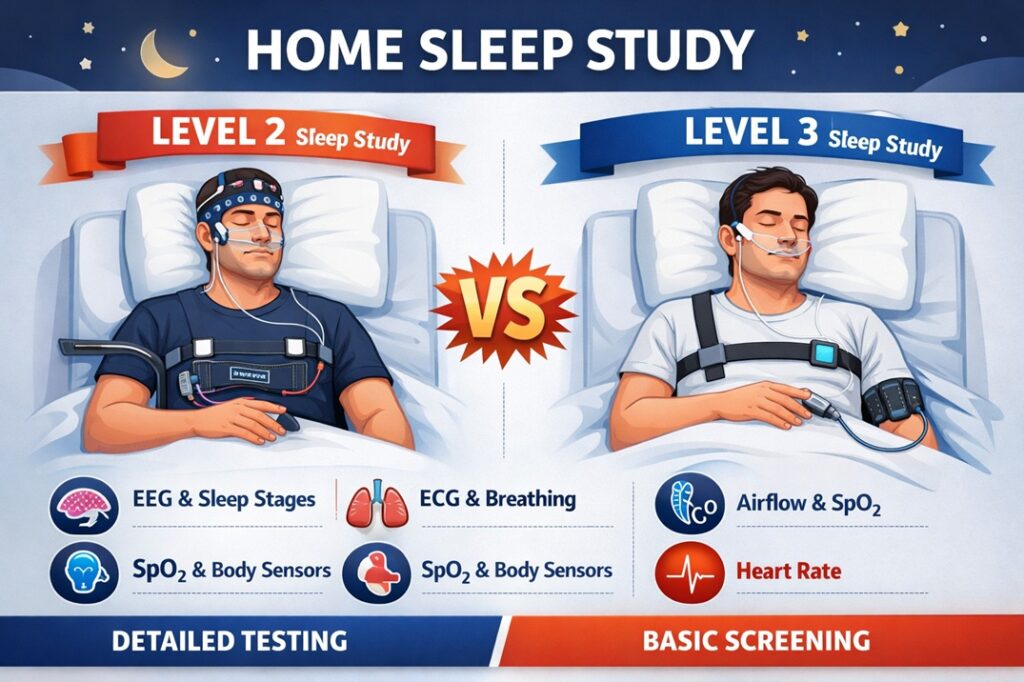
During the consultation, doctors may perform a physical examination and discuss the patient’s symptoms and medical history. They may also recommend a sleep study, conducted in a lab or at home, to monitor breathing patterns during sleep. Based on the results, the healthcare provider will decide if a BiPAP machine is recommended. Once prescribed, patients can proceed to purchase the device.
Obtaining a BiPAP machine involves selecting a reliable supplier or durable medical equipment (DME) provider. Many hospitals, clinics, and specialized medical supply stores offer BiPAP machines and related accessories. When choosing a supplier, it’s important to consider their reputation, customer service, and the range of products available. Customers may also want to verify if the supplier is accredited by a recognized organization, ensuring the quality and safety of the equipment offered.
Insurance coverage is another critical aspect of acquiring a BiPAP machine. Many insurance companies cover such devices if deemed medically necessary; however, policies can widely vary. It is advisable for patients to check with their insurance provider about coverage details and potential out-of-pocket costs. In some cases, prior authorization may be needed. Ensuring that all necessary paperwork and prescriptions are in order can help streamline the process of obtaining financial support for purchasing a BiPAP machine.
Where to Buy BiPAP Machines
BiPAP machines are essential devices for individuals suffering from sleep apnea or other respiratory issues. When looking to purchase these machines, there are several options available which cater to varying preferences, budgets, and specific health needs.
Local medical supply stores are one of the most common places to find BiPAP machines. These stores often have knowledgeable staff who can provide demonstrations and advice tailored to individual requirements. Additionally, purchasing locally allows you to see the equipment firsthand, which can be especially helpful for new users. However, local options may have limited inventory and varying prices depending on regional costs.
Another viable option is online retailers. Numerous e-commerce platforms offer a wide selection of BiPAP machines along with detailed product information and customer reviews. Renowned online medical supply stores can provide competitive pricing and the convenience of home delivery. However, when buying online, it is crucial to ensure that the retailer is reputable and provides adequate customer service, as well as return policies in case the product does not meet expectations.
Additionally, purchasing through healthcare providers is another pathway to acquiring a BiPAP machine. Physicians often have partnerships with specific suppliers and can facilitate a more personalized procurement process. This method ensures that the selected machine is customized to the patient’s needs, often streamlined through insurance coverage. Consulting with a healthcare provider is also beneficial for understanding ongoing support and maintenance for the machine.
Ultimately, the choice of where to buy a BiPAP machine should take into account factors such as pricing, customer support, product selection, and the potential need for post-purchase assistance. Thoroughly researching these aspects can guide individuals in making an informed and satisfactory decision when purchasing a BiPAP machine.
Conclusion and Call to Action
In conclusion, the use of BiPAP (Bilevel Positive Airway Pressure) devices represents a significant advancement in the treatment of various respiratory conditions, most notably sleep apnea and chronic obstructive pulmonary disease (COPD). Throughout this blog post, we have explored the fundamental aspects of BiPAP therapy including its functionality, benefits, and the importance of an accurate diagnosis by a qualified healthcare professional. BiPAP therapy is highly beneficial for patients experiencing difficulties in maintaining adequate oxygen levels during sleep and can improve overall quality of life when applied correctly.
Due to the complexity of individual health needs, it is vital to seek medical advice prior to initiating BiPAP therapy. A healthcare provider can offer personalized recommendations based on specific symptoms, medical history, and other factors that may influence treatment efficacy. Consulting a professional ensures that the chosen BiPAP device and settings are tailored to meet individual requirements, thereby maximizing the therapy’s effectiveness.
We encourage readers who believe that BiPAP therapy may be suitable for them to take proactive steps. Explore further resources by visiting reputable medical websites or contacting local healthcare facilities that specialize in respiratory therapies. Engaging with healthcare professionals will provide not only clarity regarding BiPAP usage but also information about potential suppliers and support services that assist in the management of respiratory disorders.
By taking these steps, individuals can embark on a path towards improved health and well-being. Stay informed and empowered as you navigate the treatment options available to you, ensuring that every decision is grounded in sound medical advice.