




Starting a new lab is like building a dream. You imagine all the discoveries waiting to happen. You picture students working late. You see publications with your name. But between the dream and reality is a lot of work. There are machines to buy. There are benches to arrange. There are protocols to establish. A modern molecular biology lab needs careful planning. Every decision matters. Get it right and science flows smoothly. Get it wrong and you fight constant headaches.
The Heart of Visualization
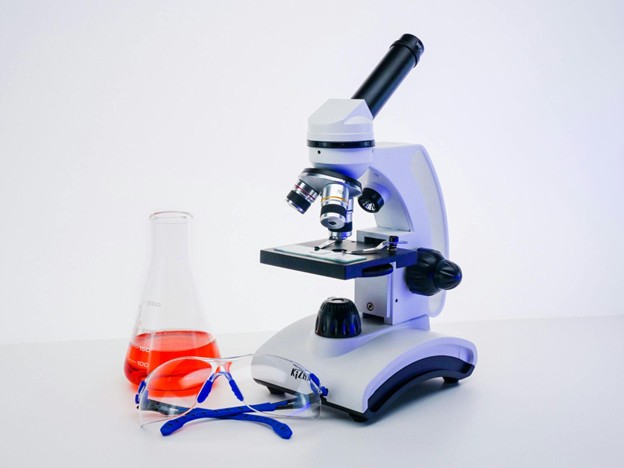
Some questions need visual answers. Where is this protein in the cell? Does it move when we add a drug? Are these two molecules touching? Old methods could not answer these. New methods can. They use lasers and detectors. They build three-dimensional pictures of living cells. This technology is called confocal imaging. It belongs in any serious molecular biology lab. It reveals the invisible. It turns guesses into certainties. The cost is high. The value is higher.
Start with the Floor Plan
Space is precious. Labs are expensive to build. Every square foot costs money. You must use it wisely. Think about workflow. Samples come in one door. They get processed in one area. They move to analysis in another. They end up in storage. This path should not cross itself. It should not make people walk in circles. Separate dirty areas from clean ones. PCR prep needs its own room. Cell culture needs its own space. Good planning prevents contamination. It also saves time. People spend less time walking. They spend more time doing science.
The Workhorse Machines
Every molecular biology lab needs basic tools. Centrifuges spin samples. Thermocyclers run PCR. Gel rigs separate DNA. Incubators grow cells. Freezers keep things cold. These are not exciting. They are essential. Buy good ones. Buy reliable brands. Cheap machines break. They ruin experiments. They waste money on repairs. Spend more upfront. It pays off over years. Also buy extras. One thermocycler is not enough. Two is better. When one breaks, work continues. Downtime kills productivity. Plan for it.
The Water System Matters
Lab work needs pure water. Tap water has minerals. It has bacteria. It has chlorine. All of these ruin experiments. A good water system fixes this. It removes everything. The water becomes ultra-pure. This water goes into buffers. It goes into media. It cleans glassware. The system needs maintenance. Filters get changed. UV lamps get replaced. Ignore this and water quality drops. Experiments start failing. You chase ghosts. The real problem is water. Install a good system. Maintain it religiously.
Storage Solutions for Samples
Samples are gold. They take months to make. They cannot be replaced easily. They need safe homes. Minus eighty freezers hold the most precious ones. These freezers must have alarms. They must have backup power. They must be monitored overnight. A freezer failure ruins years of work. Plan for this. Buy freezers with dual compressors. Connect them to generator outlets. Install temperature monitoring on your phone. Also think about organization. Samples need barcodes. They need inventory systems. Finding a tube should take minutes, not hours.
The Tissue Culture Room
Growing cells requires special care. Cells get infected easily. They die from contamination. The tissue culture room must be clean. It needs a dedicated space. It needs laminar flow hoods. These hoods blow filtered air. They protect cells from you. They protect you from cells. The room needs its own incubators. It needs its own microscope. Nothing from the main lab comes in. People wear special coats. They wear gloves. They follow strict rules. This discipline keeps cells happy. Happy cells give good data.
Computers and Networks
Modern labs run on data. Sequencers generate terabytes. Microscopes generate images. Computers store it all. Plan the IT infrastructure early. Networks must be fast. Wires must reach every instrument. Servers must have backup. Cloud storage helps. It protects against local disasters. But cloud costs add up. Calculate this expense. Also think about software. Analysis programs cost money. Some need annual licenses. Some need powerful computers. Budget for these. Data without analysis is just noise.
Safety First Always
Labs contain dangers. Sharp objects. Hot surfaces. Toxic chemicals. Biological hazards. Safety protects everyone. Fume hoods remove chemical vapors. Biosafety cabinets contain germs. Eyewash stations flush accidents. Fire extinguishers hang on walls. These are not optional. They are required by law. Inspectors check them. But safety is more than equipment. It is training. Everyone learns proper techniques. Everyone knows emergency procedures. Everyone watches out for each other. This culture prevents accidents. It makes the lab a good place to work.
Planning for Growth
Labs change over time. New techniques emerge. Old ones become obsolete. Your lab must adapt. Leave space for this. Do not fill every bench. Keep some empty. Leave budget for new equipment. Stay flexible with renovations. Walls can move. Furniture can rearrange. The building should allow this. Also plan for people. Labs grow. Students become postdocs. Postdocs become staff. More people need more space. Anticipate this. Design for the future. It saves money later. It prevents painful moves.
Setting up a molecular biology lab is hard work. It takes months of planning. It takes careful spending. It takes tough decisions. But when it comes together, magic happens. Students learn. Discoveries emerge. Knowledge advances. The lab becomes a place of creativity. It becomes a home for curious minds. Every pipette, every freezer, every microscope plays a part. They enable the science. They support the people. A well-built lab is a gift that keeps giving. It produces knowledge for decades. It trains the next generation. It is worth every effort.