



Understanding people is more than a soft skill it’s a career superpower. Professionals who can read emotions, anticipate reactions, and communicate effectively stand out in every industry. Whether managing a project, collaborating across teams, or supporting clients, understanding human behavior makes work smoother and more rewarding.
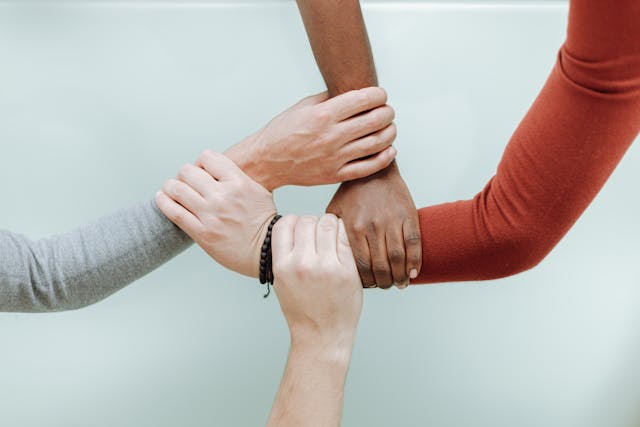
But, the good news? These skills can be learned and strengthened through training, study, and intentional practice.
The skill of understanding people has become a prerequisite to the promotion of good mental health in any profession in this fast world that is changing rapidly. Irrespective of healthcare, corporate workplaces, education, or service industries, recognizing emotional cues, responding with empathy, and building psychologically safe interactions can, to a great extent, alleviate the stress and enhance the general well-being of the people involved.
Moreover, when a professional understands the mental and emotional states of the people with whom he interacts—be it patients, colleagues, clients, or customers—he not only strengthens the relationship but also makes a great contribution to the creation of healthier atmospheres. Such a human-centered approach rubs off on the prevention of burnout, the improvement of communication, as well as the facilitation of the early stages of mental-health issues identification. To the end, understanding people is not just one of the soft skills; rather, it is a health-driven superpower that, inter alia, determines resilience, productivity, and long-term well-being of any field.
The Psychology Advantage
Knowing the basics of human behavior gives professionals an edge. Psychology principles like motivation, emotional intelligence, and cognitive biases directly impact how people respond at work.
- Motivation: Understanding what drives colleagues or clients helps in aligning goals and expectations.
- Cognitive biases: Awareness of assumptions, mental shortcuts, and decision-making patterns improves judgment.
- Emotional intelligence: Recognizing and responding to emotions reduces conflict and builds trust.
Formal education can deepen these skills. Options include:
- Bachelor’s in Psychology
- Master’s in Organizational Psychology or Psychology master’s programs online
- Ph.D. in Psychology
These programs teach practical insights that translate to everyday workplace interactions, from managing teams to negotiating with stakeholders.
Mastering Workplace Communication
Communication is where psychology meets action. Professionals who understand people know how to adjust their approach to fit the audience.
Practical tips for daily workplace use:
- Listen more than speak.
- Notice tone, body language, and context.
- Ask questions to clarify rather than assume.
- Adapt messages to different personality types.
Certifications also sharpen people skills:
- SHRM-CP / SHRM-SCP (HR-focused)
- PHR / SPHR (HR management)
- Certified Professional Coach (leadership and employee development)
These programs train professionals to resolve conflict, guide teams, and influence others effectively.
Building Strong Relationships at Work
Empathy and awareness create strong workplace connections that go beyond simple collaboration. Professionals who understand their coworkers and clients build trust naturally, which makes teamwork smoother and projects more successful. Recognizing when someone is stressed, knowing the right moment to offer feedback, and noticing unspoken concerns during meetings are small actions that make a big difference. Understanding what motivates each team member, and tailoring interactions accordingly, fosters an environment where everyone feels seen and respected. Leadership workshops, emotional intelligence seminars, and coaching-based training can accelerate these abilities, transforming day-to-day interactions into opportunities for influence and growth. Ultimately, strong relationships at work are not just about likability, they are about creating a culture where people can thrive together.
Everyday “People Superpowers” in Action
Applying knowledge of human behavior doesn’t require constant analysis or formal training. Simple, mindful habits can elevate daily interactions and make a noticeable difference. Adjusting communication style depending on the audience, choosing written feedback over verbal when it suits someone’s preference, and using empathy to diffuse tension are examples of practical strategies that anyone can practice. Observing colleagues’ strengths and aligning tasks to match their skills often leads to better outcomes than any formal plan. These small “superpowers” accumulate over time, turning natural curiosity about people into a genuine advantage in meetings, projects, and leadership situations. In essence, understanding people isn’t a secret, it’s a set of skills that professionals can consciously develop and apply every day.
Strengthening Your People Skills
Professional growth in people understanding combines observation, study, and training:
- Take courses in psychology or organizational behavior.
- Attend workshops on leadership, conflict resolution, or coaching.
- Practice reading cues in real interactions and reflecting afterward.
- Explore advanced credentials like a master’s in organizational psychology or short certifications in HR or leadership.
Consistent practice transforms natural curiosity about people into a career advantage.
Why Every Industry Benefits
Understanding people matters in every profession:
- Technology: Explaining complex ideas to non-technical stakeholders.
- Healthcare: Comforting patients while communicating critical information.
- Business & Sales: Anticipating customer needs and decision-making patterns.
- Education: Motivating learners with different learning styles.
- Creative Fields: Collaborating with diverse, idea-driven teams.
Anywhere humans work together, people skills improve outcomes.
Ending Note
Understanding people is more than a nice-to-have skill, it’s a professional superpower. Behavioral insight, empathy, and effective communication improve relationships, influence, and career opportunities. These skills can be developed through education, certifications, and hands-on practice. Professionals who invest in understanding people create stronger teams, navigate challenges with confidence, and become the trusted colleagues others rely on.
*****